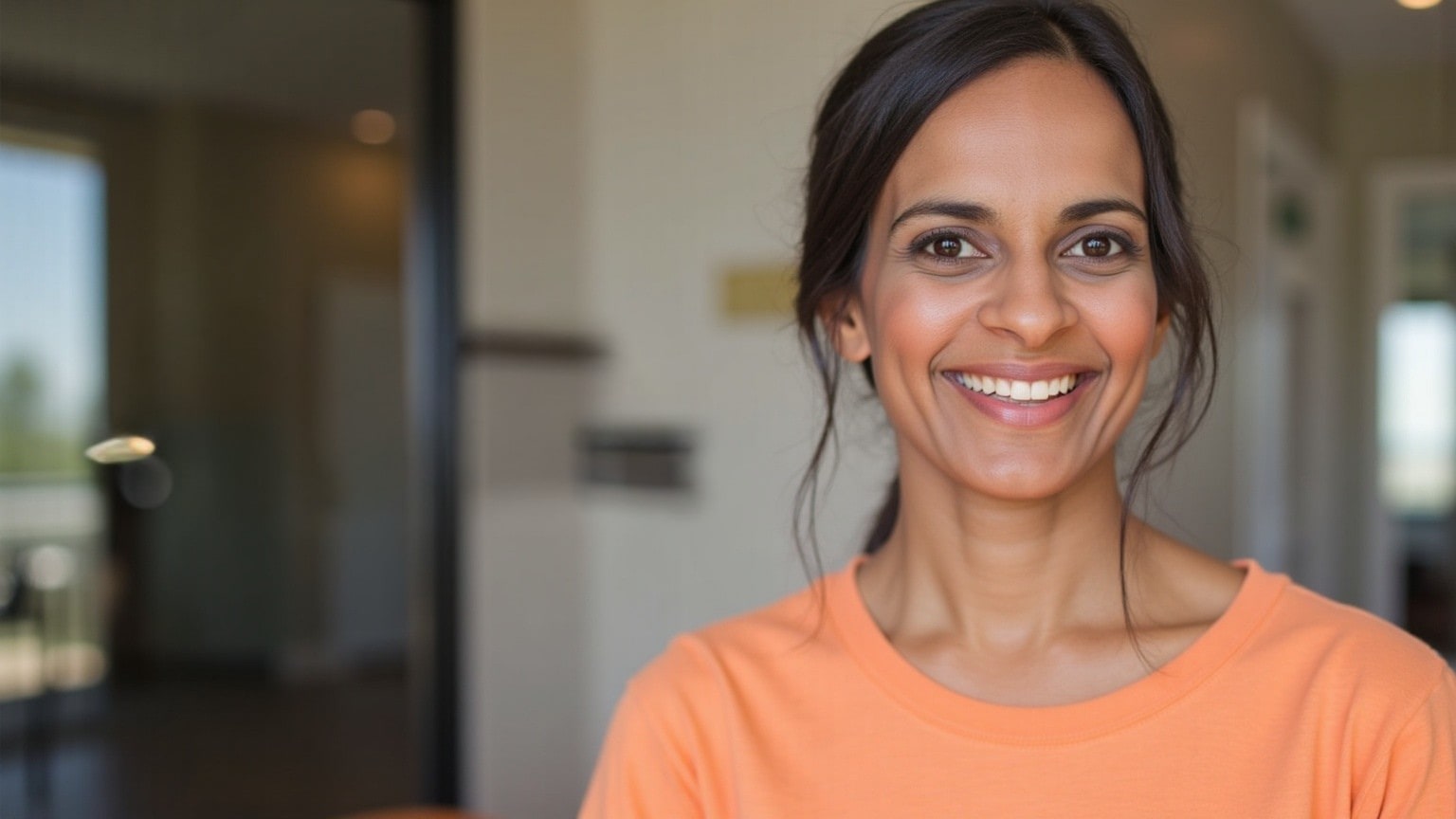
Too many capable students were missing out because nobody told them how the system actually worked.
History
Birmingham. Newcastle. Cambridge. NHS hospital medicine. The realisation that the gap I’d seen as a student was still there.
Past Medical History
MBBS Nottingham 2012. MBA IESE Spain 2019. NHS hospital medicine 2012 to 2019.
Examination
19 years working with applicants. 1,000 plus students through the door.
Differential
Could have stayed in hospital medicine. Could have gone into management consulting. Chose this because it’s the work that matters most.
Plan
Personal admissions strategy, UCAT teaching, interview preparation, personal statement review. Same person from your first session to your offer letter.
SignedDr. Dibah Jiva2026
Origin
How I got here
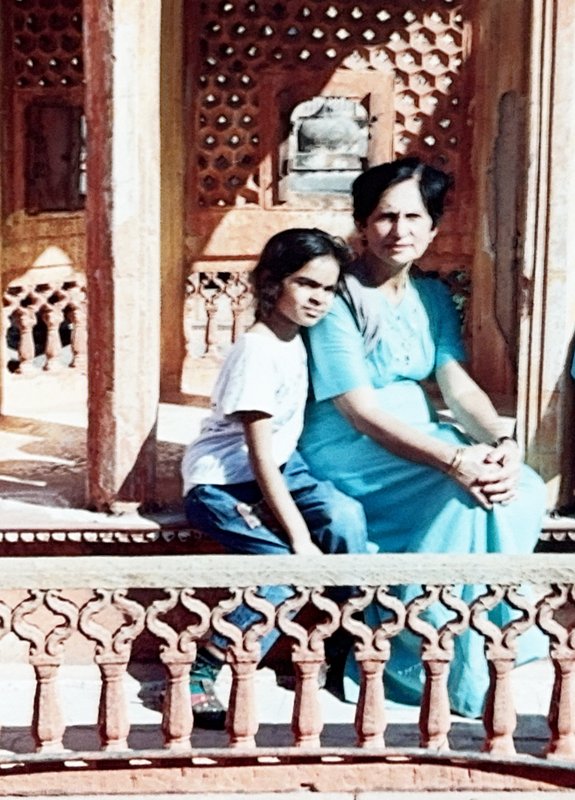
Igrew up in France. I did my undergraduate degree in Human Nutrition at McGill University in Canada, because of how Canadian universities work. In France, when you go to university, you study one subject. That is it. At McGill, only a portion of my credits were in nutrition. The rest were electives. I could take whatever I wanted. Italian. Spanish. Physiology. Anthropology. That concept does not exist in France, and for someone who has always loved learning, it was exactly the right fit.
Then I came to the UK to study medicine at the University of Nottingham. And that is when everything changed.
The early years
My high school grades were French. My undergraduate degree was Canadian. I was applying in the UK. French career advisors had no idea how to help me with a UK medical school application. UK advisors did not know what to do with French high school grades and a Canadian degree. There were a few Canadian advisors who specialised in UK applications, but they were set up for Canadian high school students. My French background completely threw them off. Everyone treated my situation as too unique, too complex.
On top of that, the information was not there. Entry requirements for most medical schools were not on their websites the way they are now. You can only apply to four schools, so every choice carries real weight. If you pick the wrong four, that is it.
So I did what I do. Thousands of hours of research. Every medical school. Every requirement I could track down. I applied, and I got in.
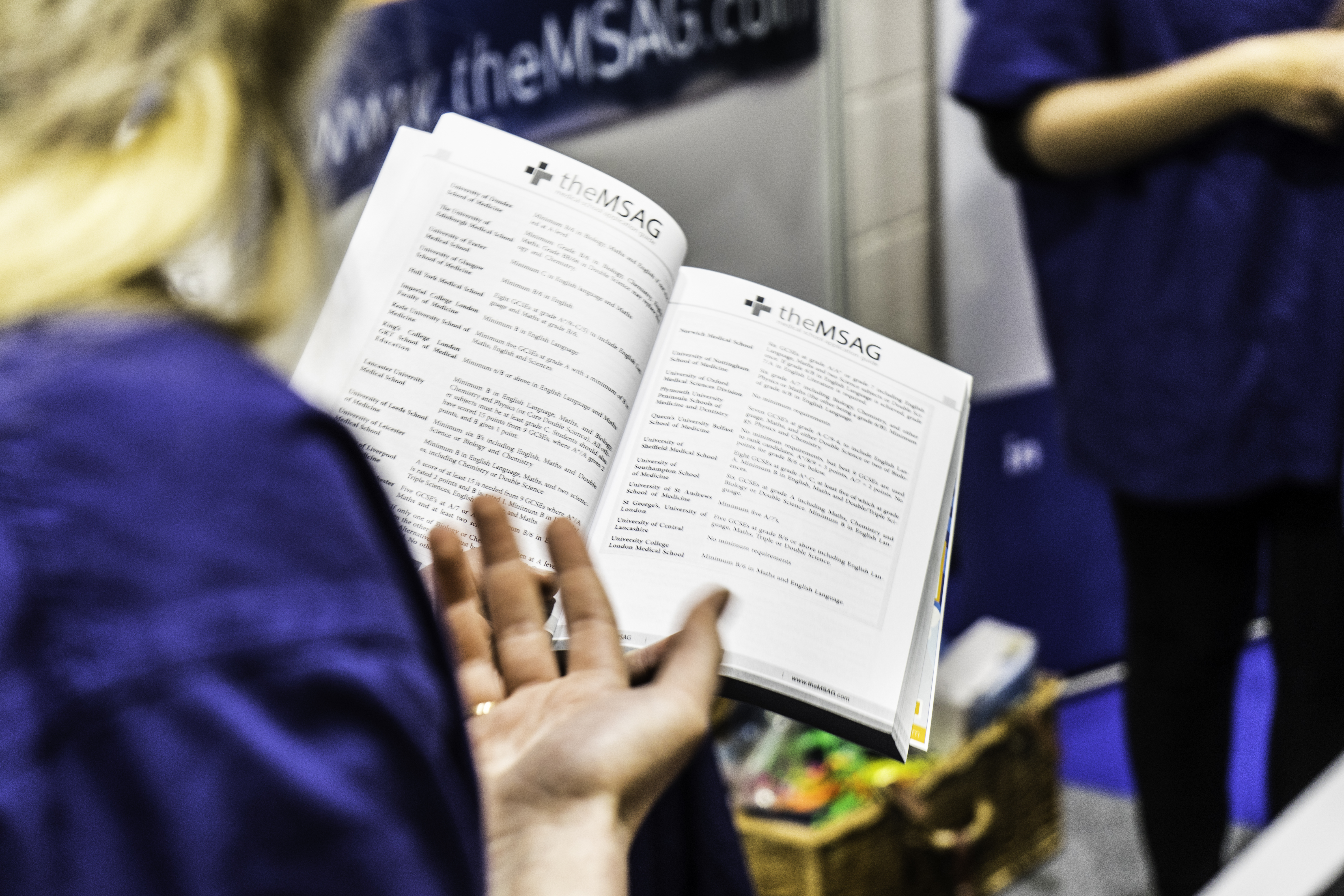
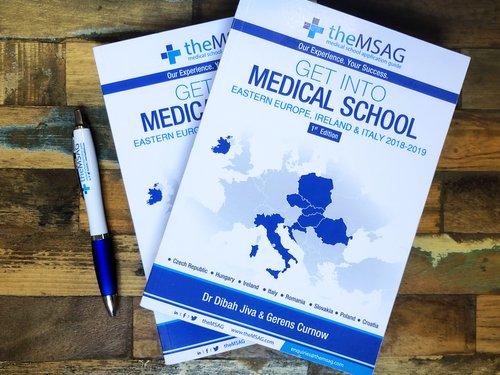
Once I got in, I thought, I cannot be the only person who needed this. So I wrote it all down and self-published the first Medical School Application Guide while I was still a medical student.
The guidebook at Skills London
I put my email in the back of the book so that anyone with questions could contact me. What happened instead was that parents and students started emailing. “I have read your guidebook, can you help my son get into medical school?” And I would say yes. Then they would ask how much it costs, and I would think, I had not actually thought about that.
What I quickly realised was that even though the guidebook had all the information, applying it to one individual was a different thing. Helping someone choose the right four schools for them, helping them strengthen their specific application. That was not straightforward to do from a book. That is how the consulting started.
Then in 2012, I had several students who all needed interview preparation at the same time. They were all free on the same Saturday afternoon, so I got them together and ran the prep as a group. That was the first interview course. I have been running them every year since.
In retrospect
I probably should have known
My parents used to say I was acting like a social worker. If a kid was being bullied, I got involved. If someone was told off for something they did not do, I got involved. It did not matter whether it had anything to do with me. I found the unfairness unsettling, so I made everything my problem.
I was also, apparently, an entrepreneur. At 14, I set up a business on Skype teaching French business professionals how to interview in English. 35 euros an hour. I had worked out what I could deliver at a high level, which audience would pay for it, and how to reach them. I did not know the word “positioning” yet, but I was doing it.
Both of those kids ended up here. The one who cannot walk past something unfair, and the one who figures out how to build something useful. That is theMSAG.
The leap
From the NHS to theMSAG
After qualifying as a doctor, I worked in the NHS for four years. Two years of foundation training, then two years in ophthalmology. I was good at it. I loved it.
But I was also running theMSAG alongside my clinical work. That meant 100-hour weeks, every week. Patients during the day, personal statements and coaching in the evenings and weekends.
In 2016, I left my clinical practice in London to commit to theMSAG full time. I left without a salary. It was not a business plan. It was a decision I made because I kept asking myself the same question: who else is going to do this for these students?
Other people did medicine just as well as I did. But my students did not have alternatives. It felt more like a responsibility than a choice.
I later completed an MBA at IESE Business School in Spain because I wanted to bring the same strategic thinking to my students’ applications that businesses bring to their most important decisions. Your medical school application is one of the most important decisions of your life. It deserves that level of thought.
Today
Where you’ll find me
01
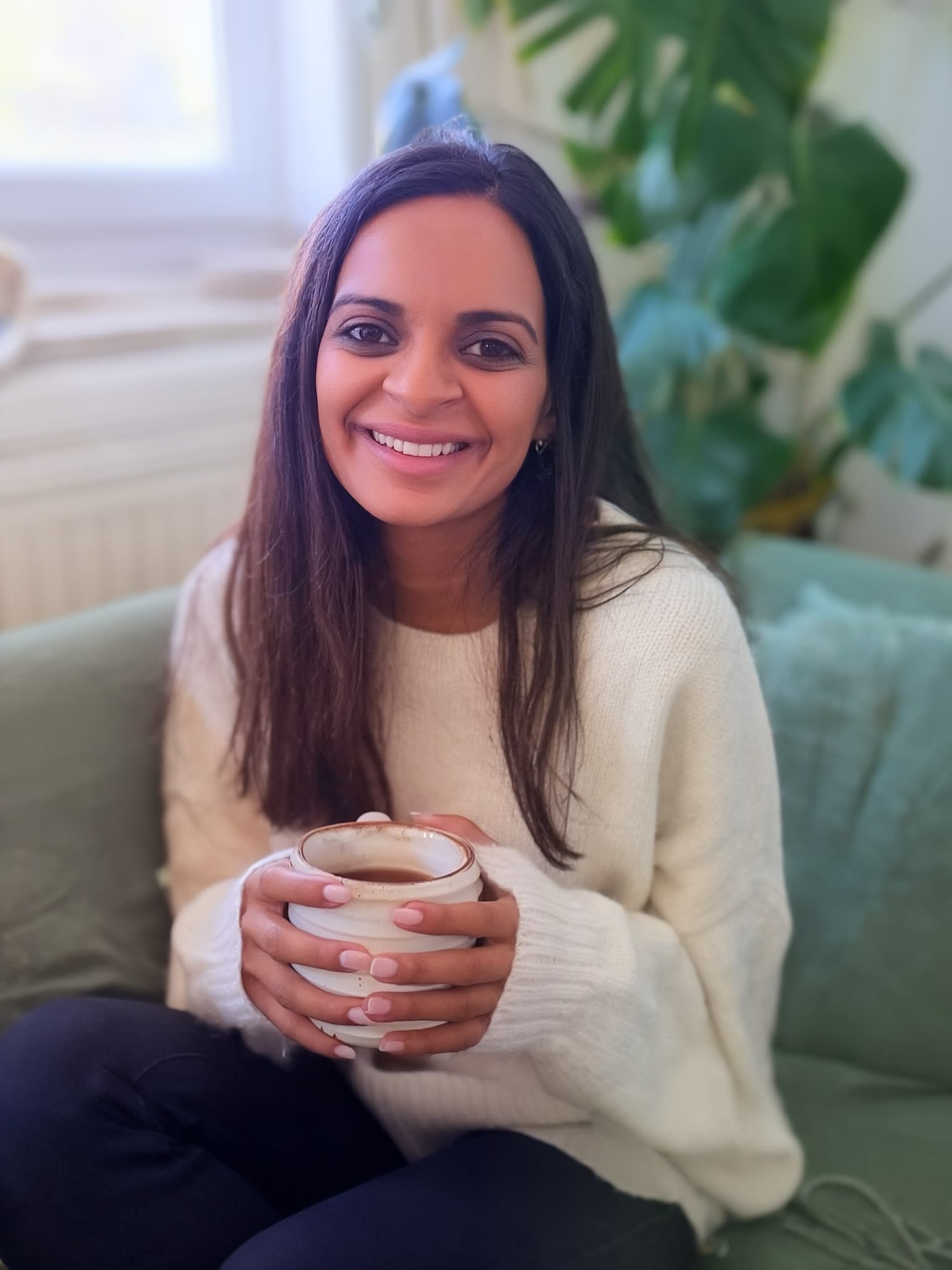
In my office, the nicest room in my house. Corner windows, daylight, a view of the backyard.
02
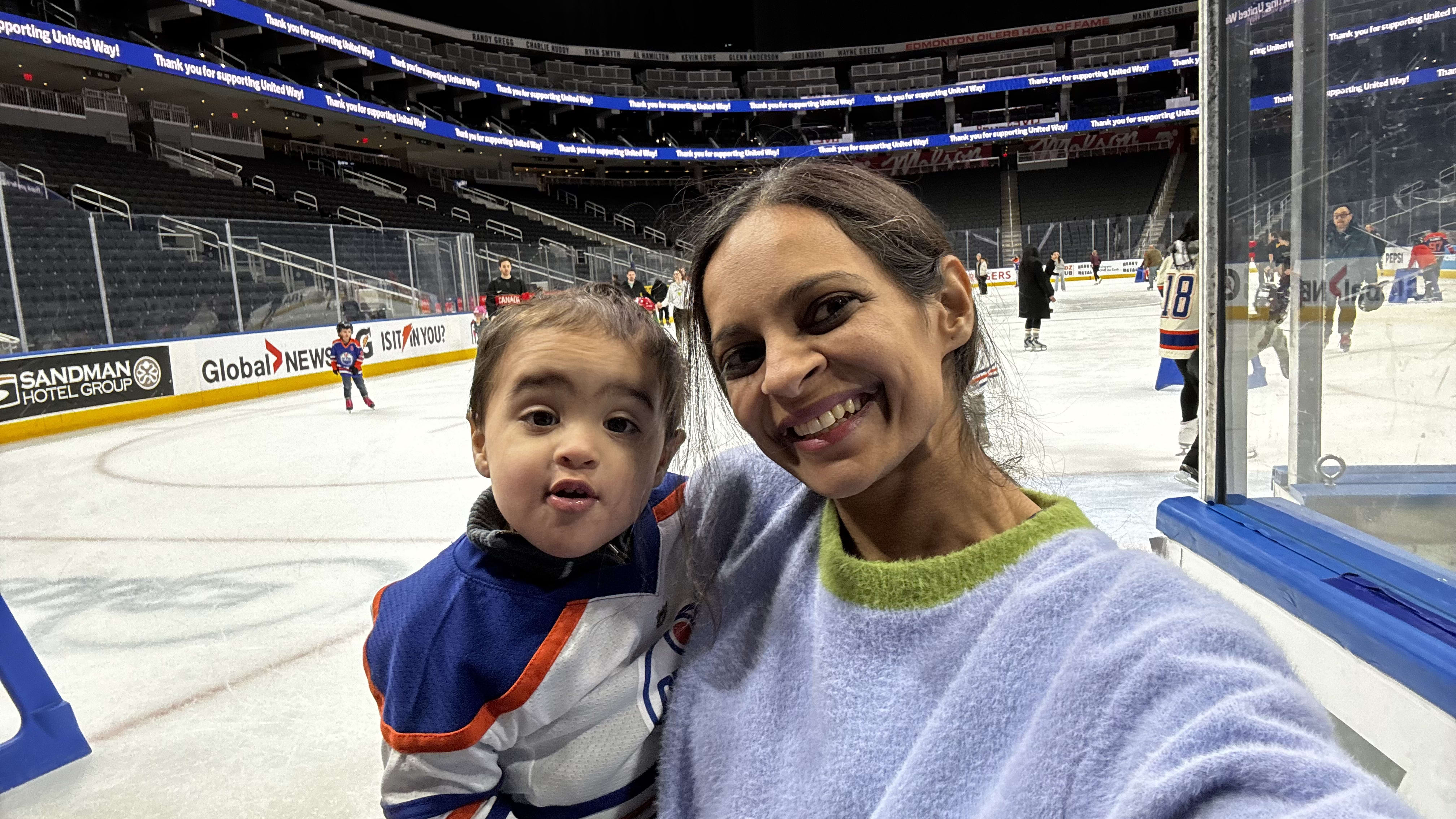
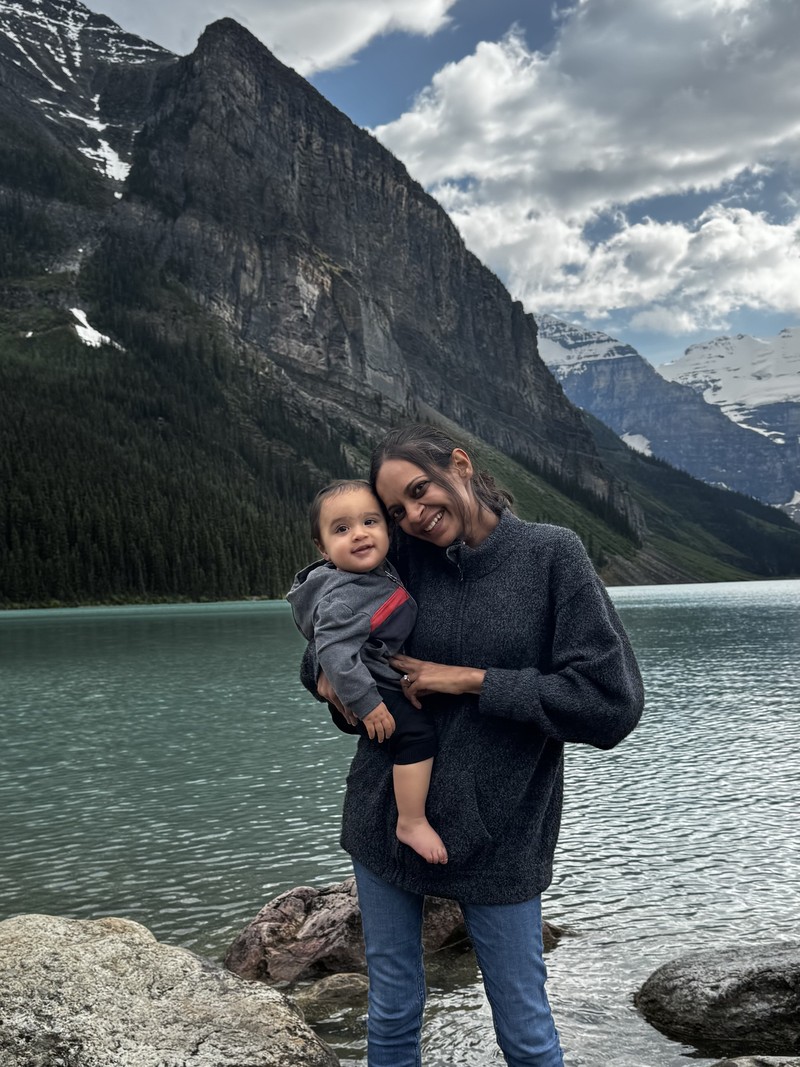
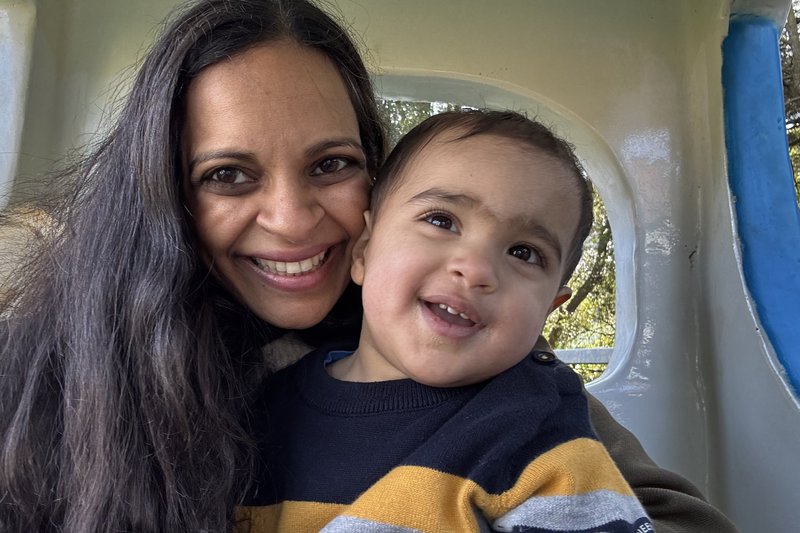
Next to a couch and a Pikler triangle with a slide, where Rahman entertains himself while I work.
03
Drinking hot chocolate. I never made the transition to adult drinks.
04
At the park, the science centre, or the zoo. Cooking a proper meal. Setting up the fireplace.
05
Always learning a new AI tool. My partner is not wrong about that.
06
Volunteering with the Ismaili community in Canada on settlement and on AI for organisations.
Dibah
Field notes
A few things I’ve noticed
Field notes.
01.
Capable students often underperform on UCAT not because they can’t, but because nobody told them how to actually study for it. Different from any test they’ve taken.
02.
Personal statements get over-edited until they sound nothing like the person who wrote them. The strongest ones I read are honest, specific, and slightly underwritten.
03.
The interview gap isn’t knowledge. It’s the ability to think out loud while a panel watches. That’s a skill, not a personality trait.
04.
Parents who wait too long to engage often regret it. Parents who engage too aggressively often hurt the outcome.
05.
Most students have the wrong list of schools. The right list isn’t the most prestigious. It’s the one that matches your profile to where you’ll convert.
06.
Year out doesn’t disqualify you. It’s a story to tell well, not a flaw to hide.
Roles
A few things I answer to
Dr Dibahto patients first
Coachevery contact is me
Mrs Karmaliwhat Arif writes
MamanRahman nailed the French
L’assistante socialethe social worker
Dibswhat my friends use
Timeline
A career, in four chapters
Published my first guidebook as a student
Chapter 01
The student years
2007 to 2013
Built theMSAG from evenings and weekends.
Wrote my first guidebook on medical school applications
Started helping people through my own UCAS application year
Started medical school at Nottingham
Published the guidebook I wrote the year before
Built theMSAG from evenings and weekends
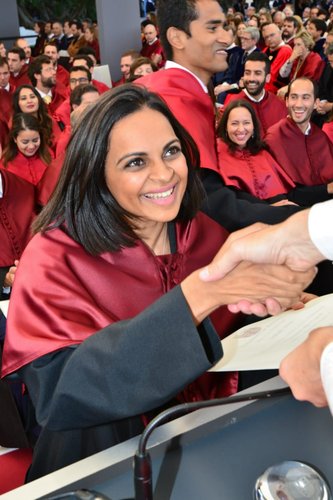
Graduated from Nottingham (MBBS)
Started as an NHS doctor
Ran the first interview course
Registered theMSAG as a company
From this chapter
Ran the first interview course (2012)
The early consulting days
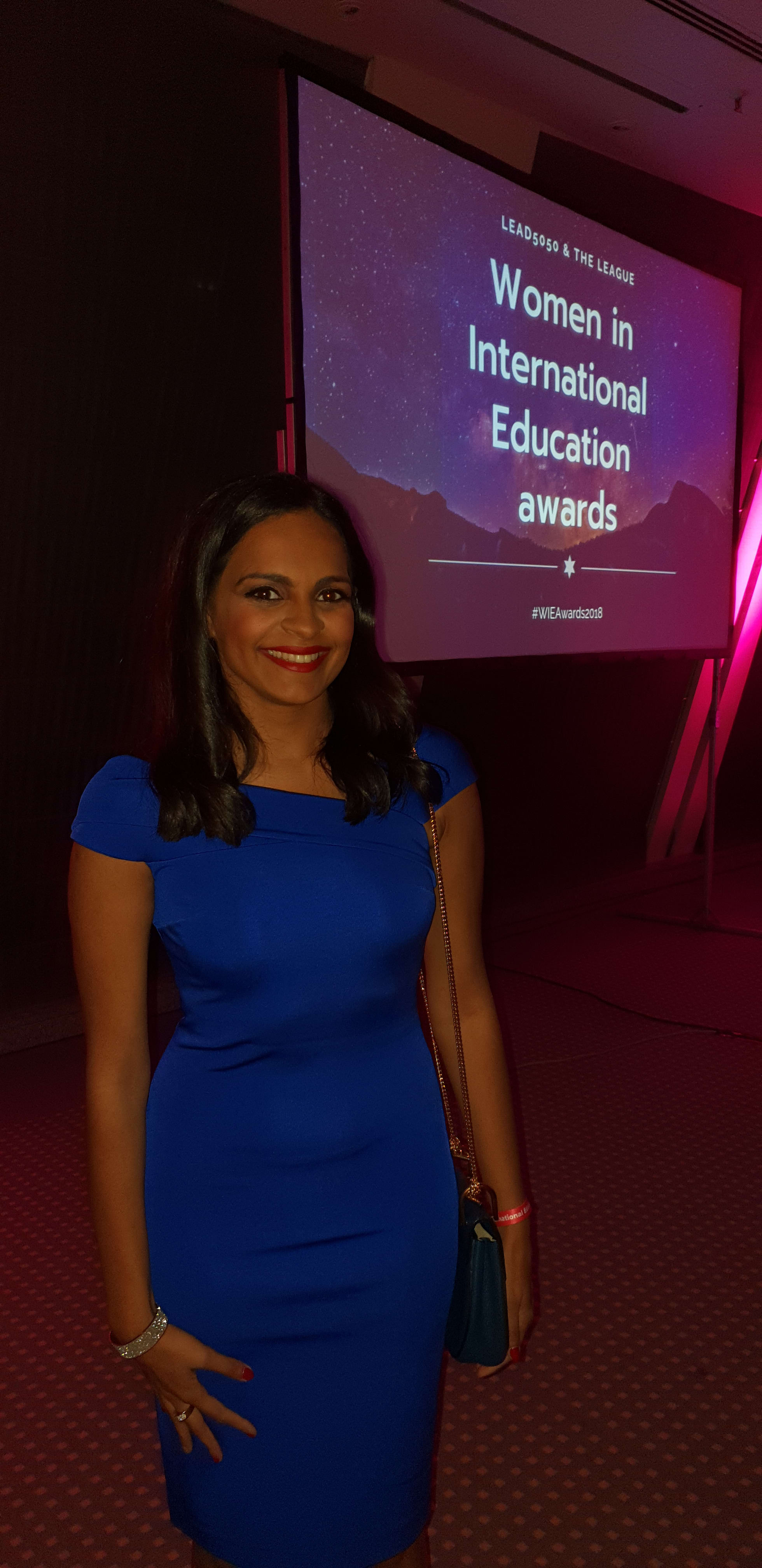
Lead5050 Inspirational Woman of the Year finalist (2018)
Chapter 02
Doctor by day, theMSAG by night
2015 to 2018
That was a moment.
On earning more from theMSAG than from medicine, 2016.
Started making real money from theMSAG
Earned more from theMSAG than my doctor salary
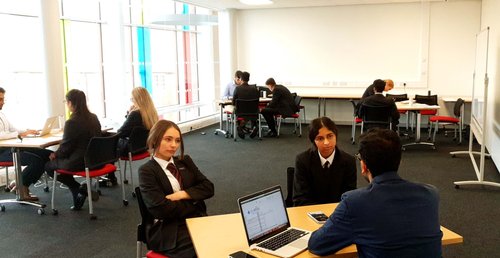
Started supporting schools directly
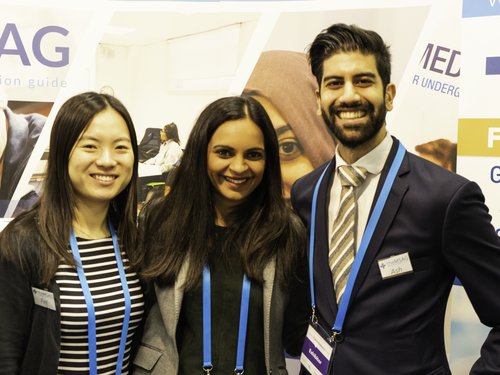
Careers fairs and workshops across London
Workshops in 6 schools
Lead5050 Inspirational Woman of the Year finalist
Education Investor Awards finalist
From this chapter
Started making real money from theMSAG (2015)
Careers fairs and workshops across London (2017)
The guidebook at Skills London
MBA from IESE Business School, Spain (2019)
Chapter 03
All in
2019 to 2021
Finally.
On leaving clinical practice for theMSAG full time, 2019.
MBA from IESE Business School, Spain
Left clinical practice for theMSAG full time
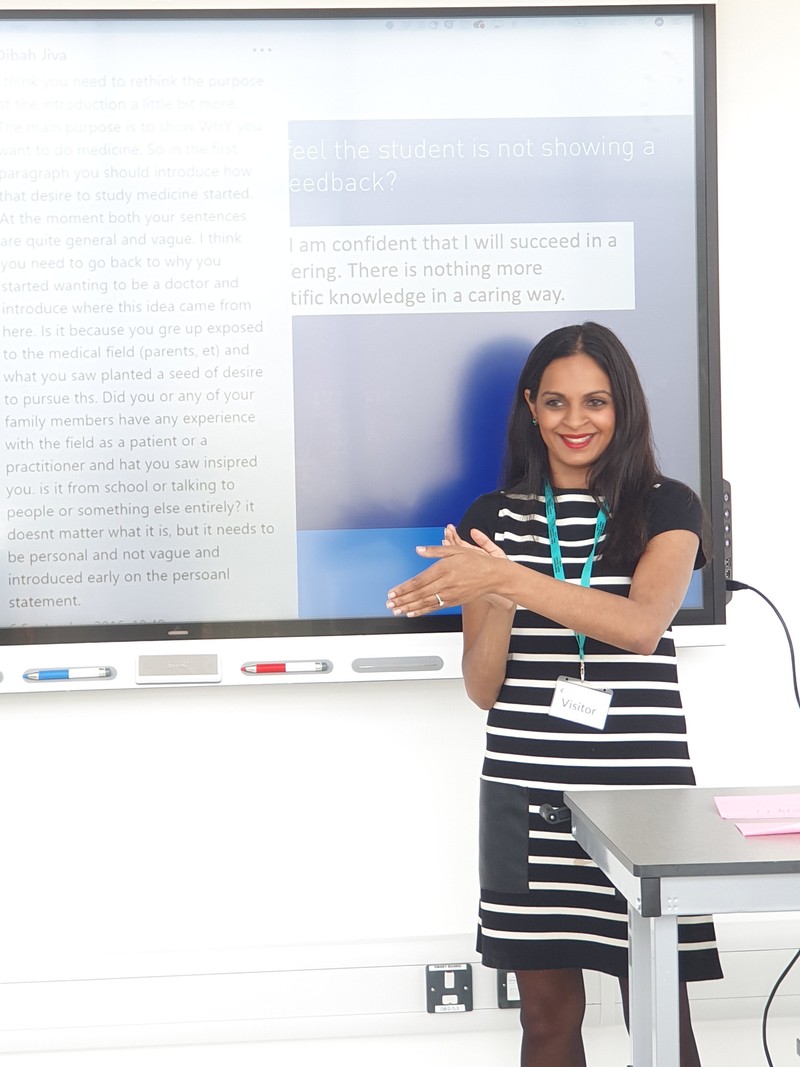
Sessions in 30+ schools including Eton College
Gold Winner, PIEoneer Awards
Finalist in 7 national awards
Launched the UCAT e-learning platform
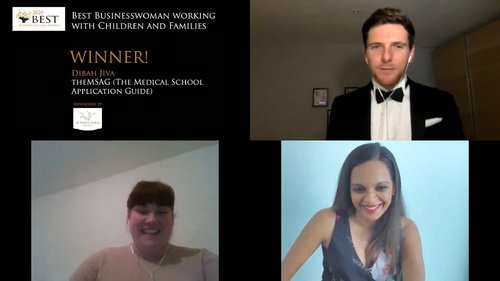
Gold Winner, Best Business Women Awards
Did all of this during COVID
10,000 applicants supported
Team grew to 66 members
From this chapter
Gold Winner, Best Business Women Awards (2020)
Sessions in 30+ schools including Eton (2021)
Met Arif (2022)
Chapter 04
Reshape
2022 to 2026
Best. Decision. Ever.
On meeting Arif and reshaping theMSAG, 2022.
Met Arif
Started reshaping theMSAG
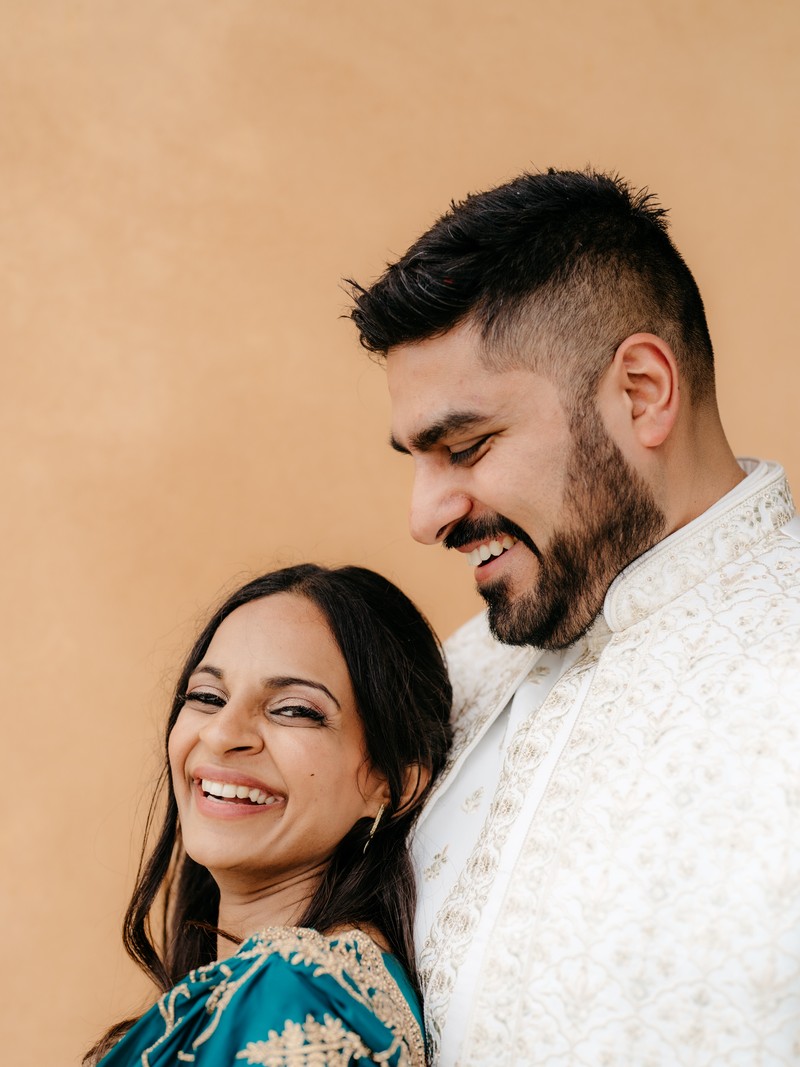
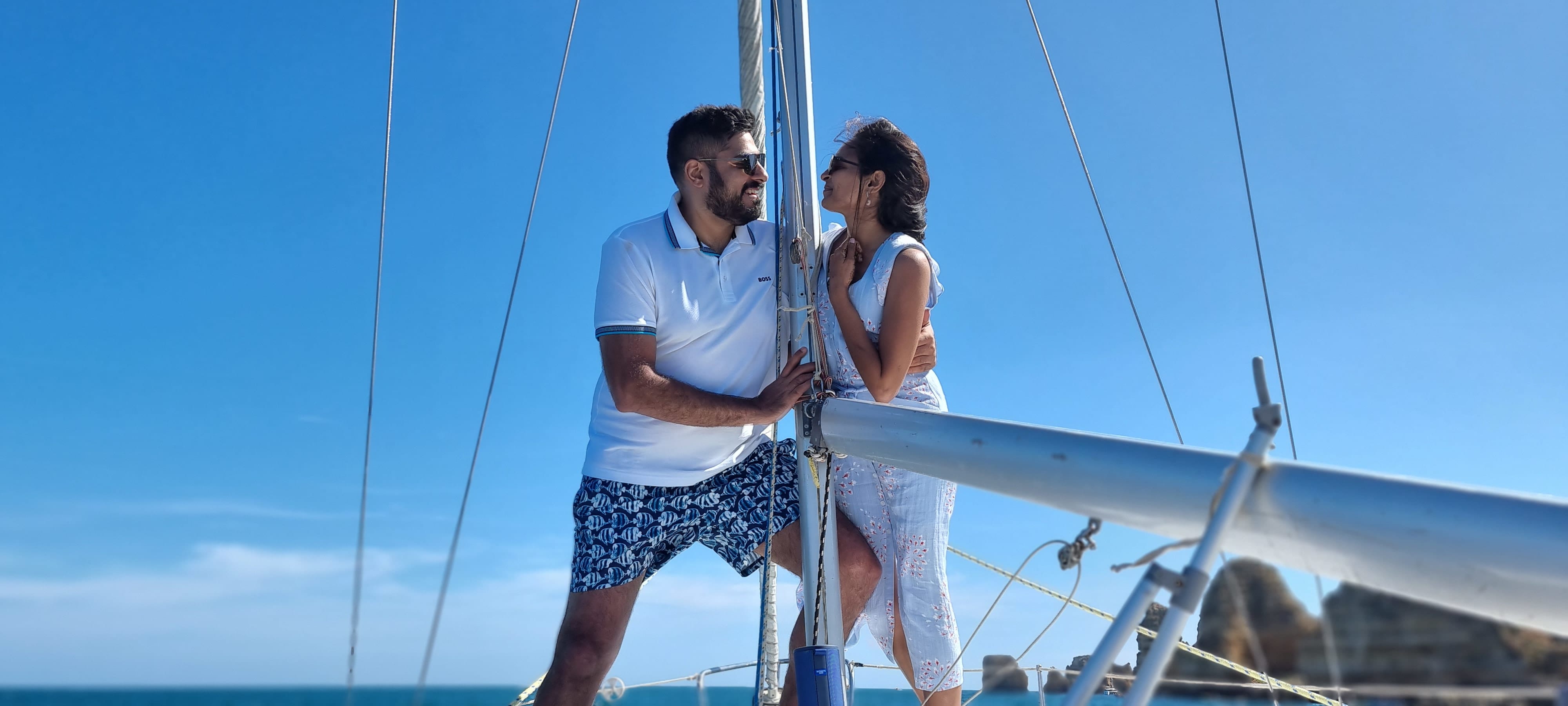
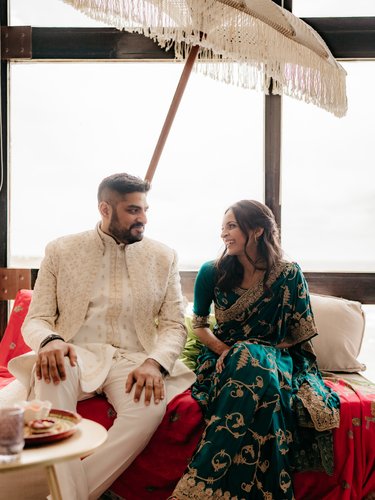
Got married in Lisbon
Moved to Canada, fully remote
5,000 YouTube subscribers
Welcomed Rahman
Relaunched all courses, now fully delivered by me
All services now delivered by me personally
100% success rate maintained
1,000+ students helped 1-to-1
Let’s get you into medical school
From this chapter
Got married in Lisbon (2023)
Welcomed Rahman (2024)
Let’s get you into medical school (2026)
Stories
Over 1,000 students. 19 years.
Some of what they have to say.
“She gives students their dreams back, families hope back and changes lives for the better.”
Maninder VirdeeParent · re: Rohan Virdee · 1 September 2015
“Without a shadow of doubt, Hugh would not have managed to achieve his goals.”
Serena OborneParent · re: Hugh Oborne · 1 September 2019
“Being the first in my school to be offered a place for Medicine is in large part due to Dibah's help”
Ishaan RahmanStudent · 1 September 2019
★★★★★
“Dibah was friendly and warm and made me feel like she was on my side”
MarianneStudent (Graduate)
“You actually make them the person as they go along.”
PavithraParent · re: Reshma Razack
“I work in education and I clearly saw your passion for enabling and developing the individual talents of each young person.”
SallyannParent · re: Yasmine · 4 August 2019
“Her knowledge of this process is head and shoulders above the mainstream.”